
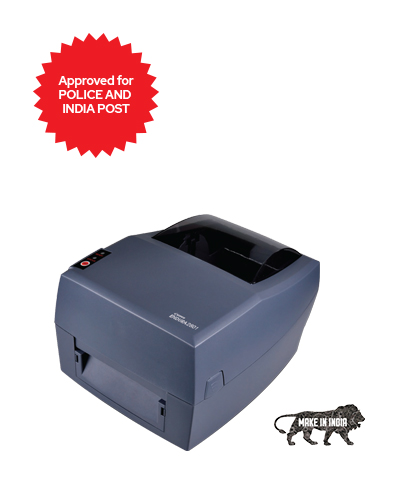

The storage capacity is ideal for holding multiple label images while printing 1000s barcode labels.
Endura 2801 is designed using ZPL and TSPL, the best programming languages to give commands to printers.
It supports a 300mm thermal transfer ribbon which helps print high-quality barcode stickers.
It maintains a high printing speed of 5 IPS fast labels throughout.
Rachel Cusk 's version of is a contemporary reimagining of Euripides' ancient Greek tragedy, focusing on the brutal psychological landscape of a modern divorce. Originally written for a 2015 production at London's Almeida Theatre, Cusk’s script strips away the supernatural elements of the original myth to examine gender politics, maternal identity, and the "dead end" of motherhood. The Guardian Guide to Rachel Cusk's "Medea" 1. Synopsis and Modern Setting
The search phrase reveals a deep hunger for inaccessible high literature. Rachel Cusk’s Medea is a masterpiece of compression—a 70-minute play that contains a universe of pain. While the "top" PDF might be a mirage, the text is real and available. medea rachel cusk pdf top
Anne Carson’s translation of Medea (also published by New Directions) is available in open-access formats at many universities. Comparing Carson’s poetic precision with Cusk’s brutal minimalism is a classic literary exercise. Rachel Cusk 's version of is a contemporary
Thesis: Cusk’s Medea refracts the original myth through a modernist, autobiographical lens to expose how ordinary social discourses—language, therapy, social niceties, and the marketplace—render a woman’s suffering invisible and thereby make extreme acts of violence legible as outcomes of systemic erasure rather than purely individual pathology. Poor quality scans: Blurry, missing pages, or filled
Let’s be honest: The quest for a is a symptom of a broken digital ecosystem. Readers want instant, high-quality access, but the legal pathways are fragmented.
Explores "maternal ambivalence"—the complex, sometimes dark feelings mothers have toward their children.
"Abandoned wives are at best unglamorous... this whining about justice is a bit of a bore." — Rachel Cusk, Medea .
Check out the wide range of customized products for your business needs.